


The Indian travel and hospitality industry just received a fresh wave of optimism with the new GST regime effective from 22 September 2025. For years, high tax slabs have been a roadblock for hotels, restaurants, and tour operators. But with the revised GST structure, domestic tourism finally has the breathing space it needs to grow and compete with international destinations that are increasingly attracting Indian travelers.
What Changed in the GST Regime?
The new GST regime has simplified and rationalized tax slabs across key tourism-related sectors:
- Hotels & Stays : Lower GST rates on mid-range and boutique stays make destinations like Kerala Himachal, North East India, and Ladakh more affordable.
- Food & Beverages : Cafés and restaurants in tourist hubs (Goa, Rajasthan, Himachal) see reduced GST, directly benefiting travelers with lower meal costs.
- Travel Packages : Tour operators can now price itineraries more competitively, without heavy tax loading.
In short, traveling within India just became cheaper and more value-packed.
Why This Matters for Domestic Tourism
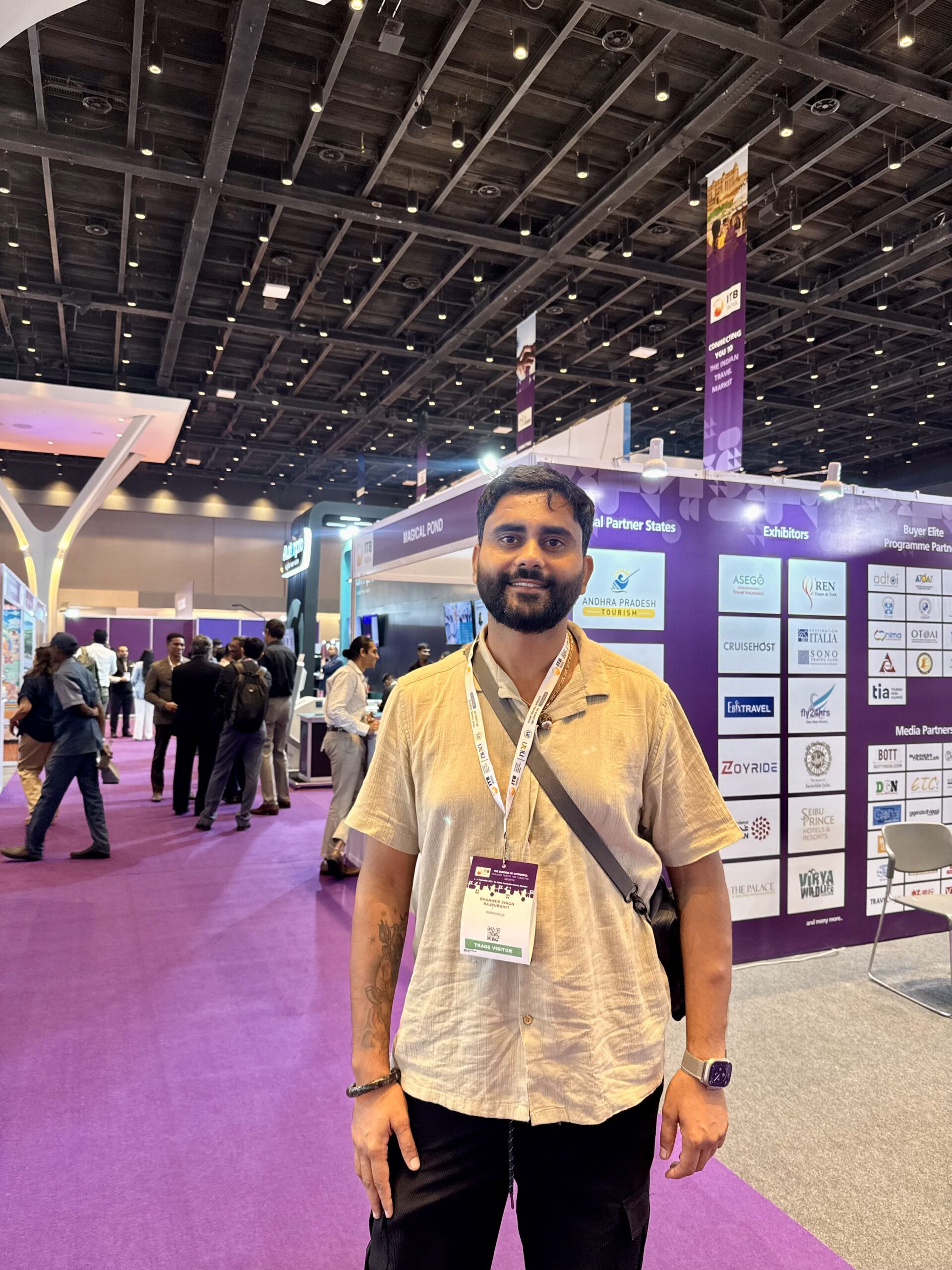
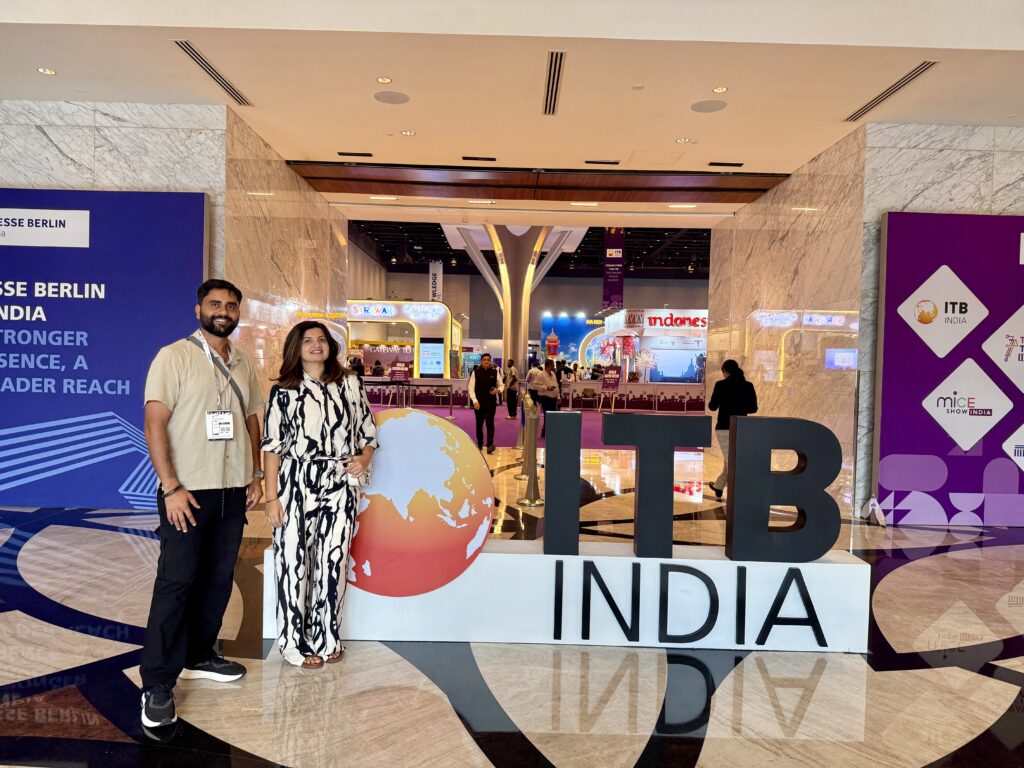
Over the past few years, Indians have been booking international trips at record numbers and destinations like Bali, Thailand, Oman, and Georgia are dominating travel expos and global campaigns. Even at ITB India 2025 (2–4 Sept, Jio World Center, Mumbai), much of the spotlight was on outbound tourism.
But India has no shortage of experiences that rival or even surpass overseas holidays:
- Ladakh vs. Georgia : High-altitude landscapes, monasteries, and adventure treks.
- Andaman vs. Maldives : Blue waters, diving spots, island life.
- Kerala vs. Bali : Ayurveda, backwaters, cultural depth.
- Rajasthan vs. Middle East luxury : Palaces, desert safaris, boutique heritage stays.
With GST now slashed, domestic destinations can compete more effectively on cost while offering unmatched cultural value. Discover the charm of Ladakh & Kashmir tours
Hidden Gems That Deserve the Spotlight
The new GST boost should encourage both travelers and operators to focus on underrated gems:
- Chhattisgarh : Raw forests, tribal culture, and hidden waterfalls.
- Madhya Pradesh : Tiger reserves, Khajuraho temples, and heritage towns.
- Maharashtra Offbeat : Konkan coast, Sahyadri treks, heritage forts.
- North East India : Nagaland festivals, Meghalaya’s living root bridges, Arunachal monasteries.
And then there’s Andaman, a jewel that can easily rival Bali or Sri Lanka if marketed right.
Overcoming Challenges: Natural Disasters & Perception
Of course, domestic tourism faces hurdles and floods in Himachal, landslides in Uttarakhand, and other climate crises dominate headlines. Negative news spreads fast and overshadows the positive. The industry must double down on positive storytelling, safety measures, and crisis management communication to reassure travelers.
A Masterstroke for the Industry
Tourism is one of India’s biggest engines for growth and it creates jobs, sustains local economies, and builds global soft power. The GST cuts are a strategic masterstroke, but to truly unlock potential, India must also:
- Run global campaigns showcasing Indian destinations.
- Offer incentives like free flights for international tourists, just as Japan and Thailand have done.
- Build seamless infrastructure for last-mile connectivity.
If done right, praise from foreign tourists will also inspire more Indians to explore their own country before rushing abroad.
The Role of Travel Companies
At RidingSolo, we believe this is the right time to rediscover India and while still offering world-class outbound packages for those looking overseas. Whether it’s Ladakh, Kashmir, Kerala, Goa, Rajasthan, or the Andamans, or international favorites like Bali, Thailand, Vietnam, Oman, and Georgia, we curate journeys that balance safety, authenticity, and unforgettable experiences.
Final Thought
The new GST regime is not just a tax reform and it’s a chance to reimagine domestic tourism in India. With smart policies, strong marketing, and the passion of Indian travelers, our own backyard can become the world’s favorite holiday spot.
👉 Next up: Read my reflections from ITB India 2025, where I saw firsthand how outbound tourism is dominating the narrative—and why it’s time to give domestic destinations their due.